Design Guide for a Museum-Grade Popular-Science Atlas of Bee Specimens
This post details the design concept for a high-quality, labeled atlas of bees as educational specimens, emphasizing physical realism, scientifically accurate labeling, and child-friendly content, presented in a natural history style to showcase the bees’ anatomy, functions, and fascinating facts—suitable for museum-grade educational materials.
Full prompt text for this case is member-only.
Prompt
Preview 30%Prompt: Please create a museum-grade insect knowledge atlas, focusing on bees. Core layout: - Center: a large insect specimen image occupying 60-70% of the frame - Surroundings: scientific annotations and fun encyclopedia information, arranged radially or in sections - Overall: like an exquisite label in a museum glass display case Insect specimen presentation (core requirements): 1. Physical realism: the insect specimen lies flat on the paper surface, not a "picture within a picture" 2. View: vertical top-down, the specimen and the paper are on the same plane 3. Light and shadow: soft natural light from above; the specimen casts delicate shadows on the paper 4. Fixation method: fix the specimen with insect pins (slender silver pins); pins pass through the body and the tip slightly penetrates the paper 5. Detail textures: - visible real textures of the specimen: wing veins, fuzz, scales, corneal reflections - edges have slight thickness and a sense of three-dimensionality - wings may have slight translucency - pins create small dents or pinholes in the paper around them 6. Proportions: the specimen occupies about 60-70% of the paper center; white space around for annotations 7. Natural state: wings spread naturally, not stiff; retain the specimen's authentic texture Annotation system design: Use guide lines (thin lines) extending from body parts to the text boxes Body parts to label (6-8): 1. Head - Ocelli: how many simple eyes? field of view? - Antennae: purpose? how many segments? - Mouthparts: what type? what do they eat? 2. Thorax ...
Only the first 30% is visible. Upgrade to view the full prompt, English prompt, and copy actions.
Showing 1587/5288 chars. 3701 chars are hidden.
Related
Related Cases
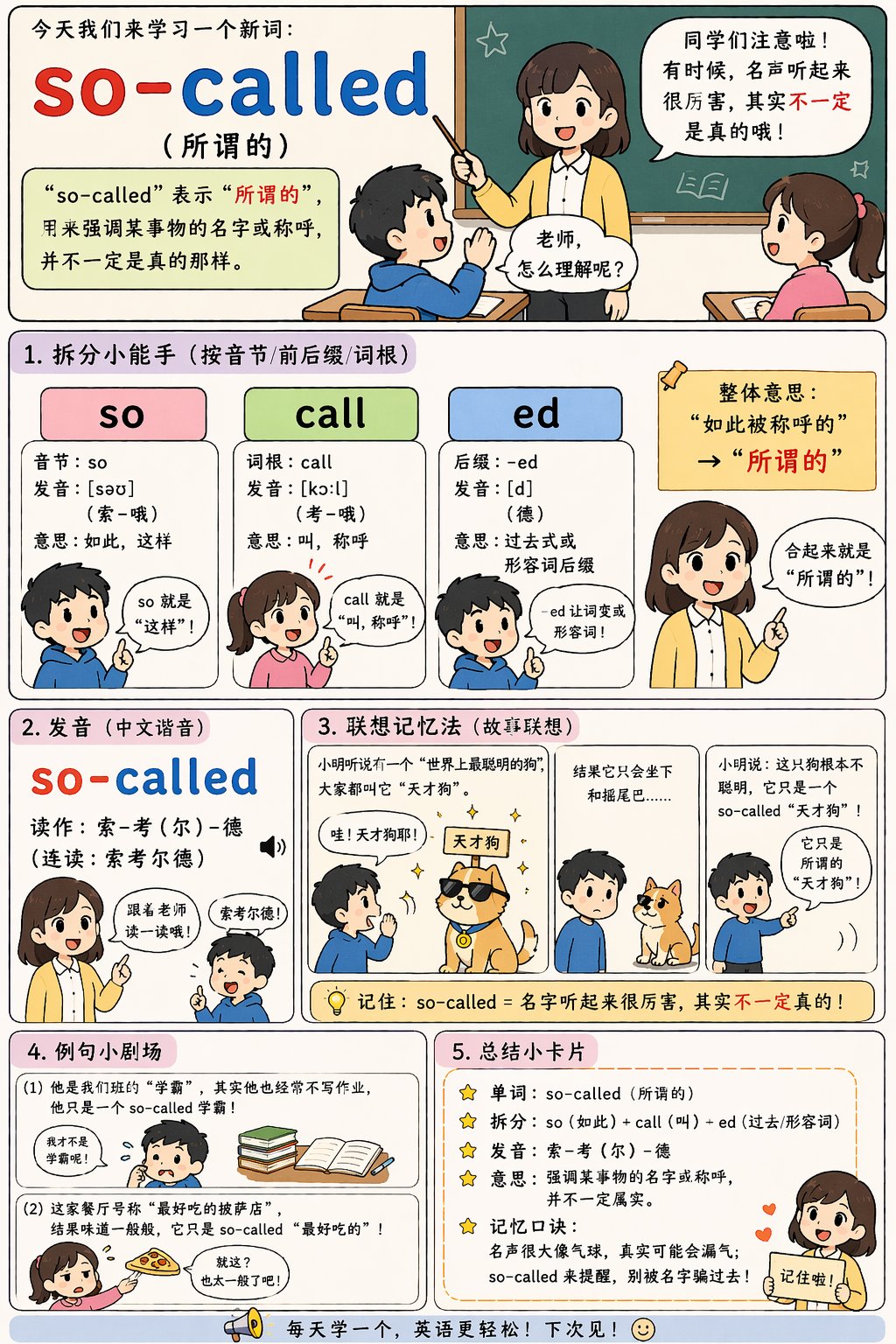
卡通拆解“所谓”发音记忆法
用可爱猫咪卡通与手绘竖版信息卡,拆分“所谓”音节与含义,便于五年级记忆。
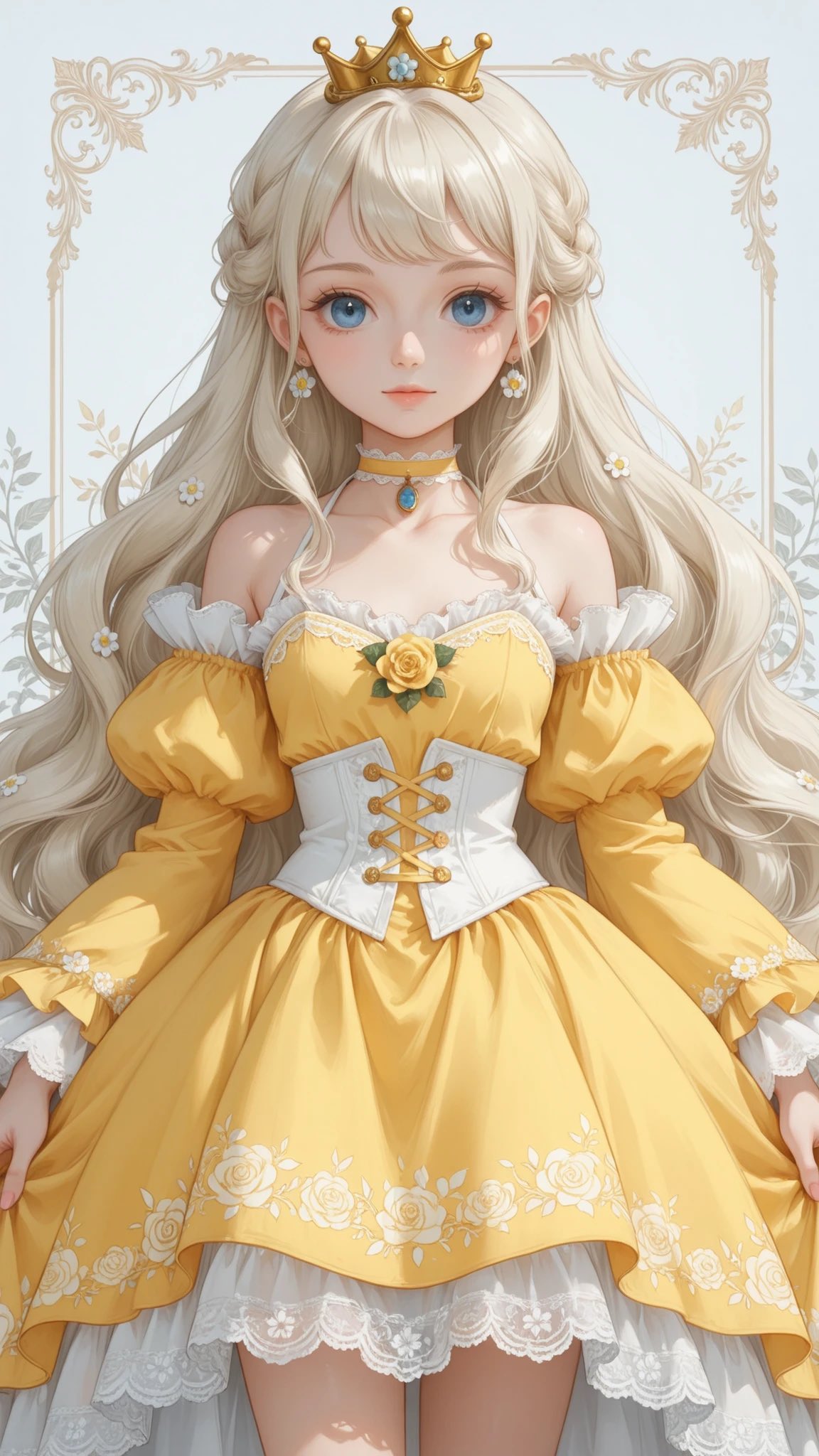
明亮浓黄色一体式公主裙设计
一体式奇幻公主连衣裙,紧身系带胸衣与多层蓬松裙摆,细致刺绣蕾丝尽显华丽。
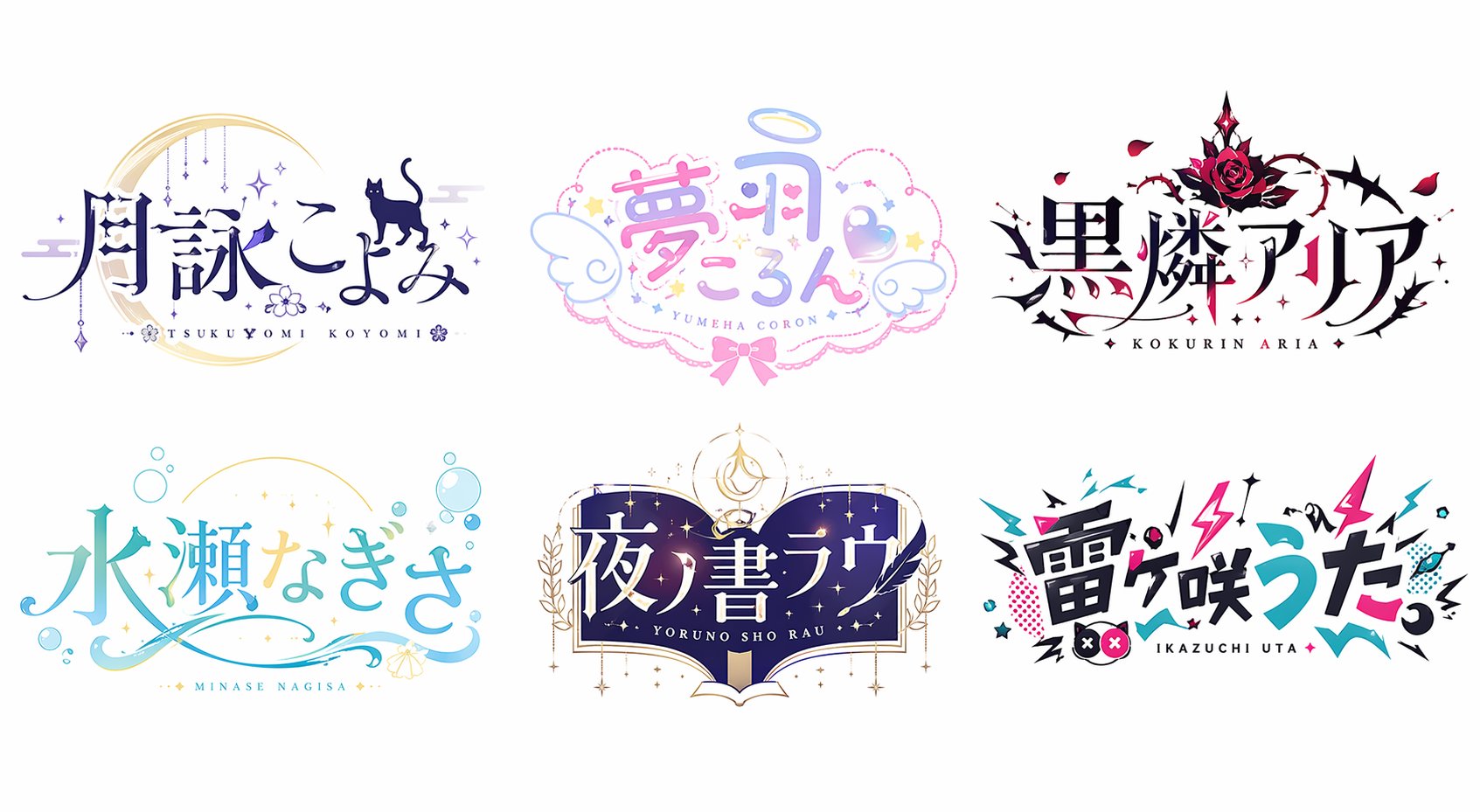
日本VTuber标志提示词解析
将“六个原创日本VTuber标志排成一排”作为提示词,便于生成成组Logo风格效果。
温暖雨夜动漫小屋分镜剪辑
手绘奇幻森林小屋在雨夜氛围中呈现:男孩读书、灯笼闪烁、萤火虫发光。仅用五个镜头完成温馨lofi感。
An anthropomorphic orange tabby cat chef shows off his wok skills, frying shrimp fried rice in flames.
A highly realistic close-up shot of an anthropomorphic orange tabby cat chef stir-frying shrimp fried rice in flames, with the sous-chef in the background looking dejected and shocked, and the scene features the bright lighting and stainless steel environment of a professional kitchen.
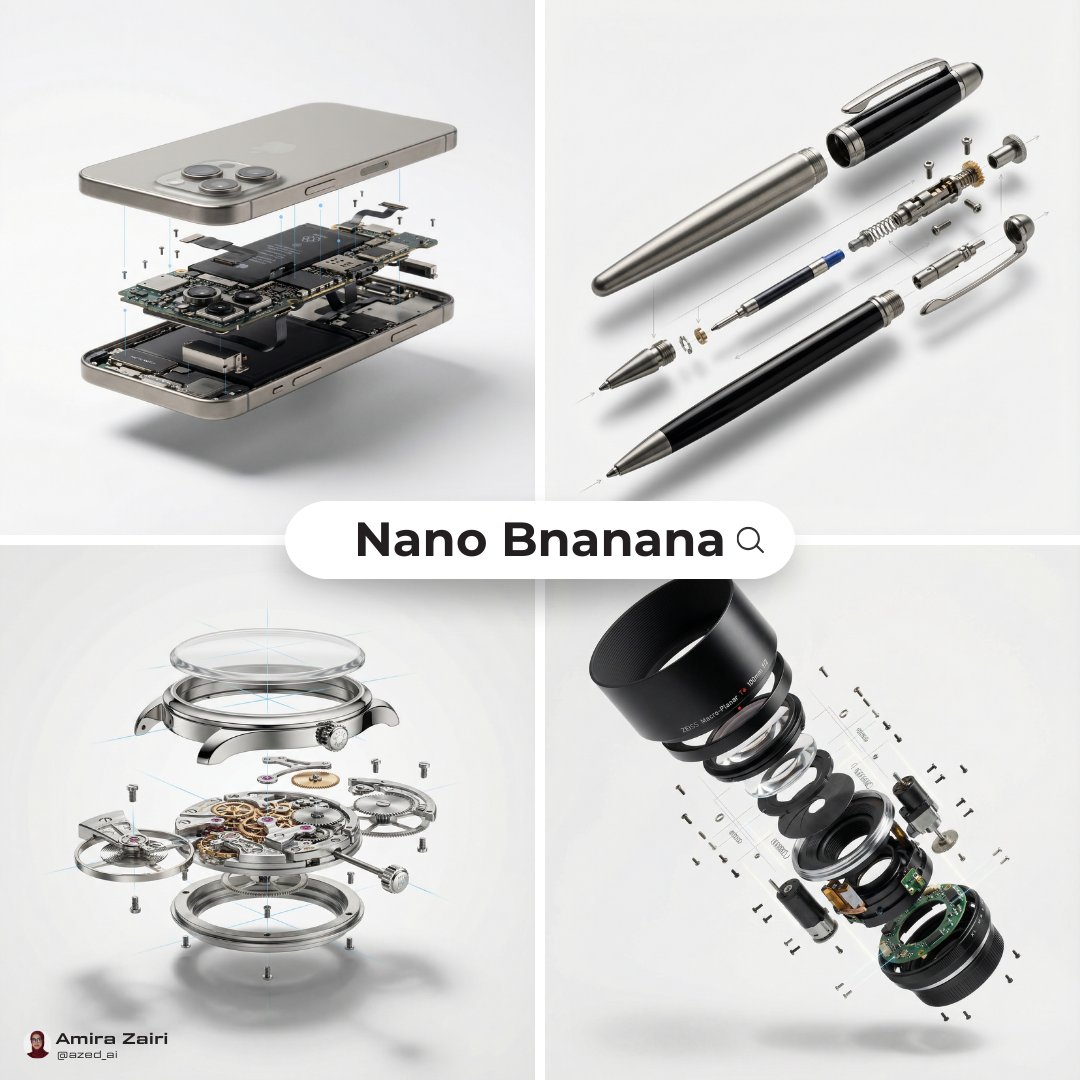
Macro photography of the internal structure of a high-end product in an exploded-view, 100mm lens style, 8K, 1:1.
Show an exploded view of a high-end product and its internal structure. The shell hovers above the core, with tiny screws and components suspended, pursuing an ultra-real macro photography style, at 8K resolution and a 1:1 scale.